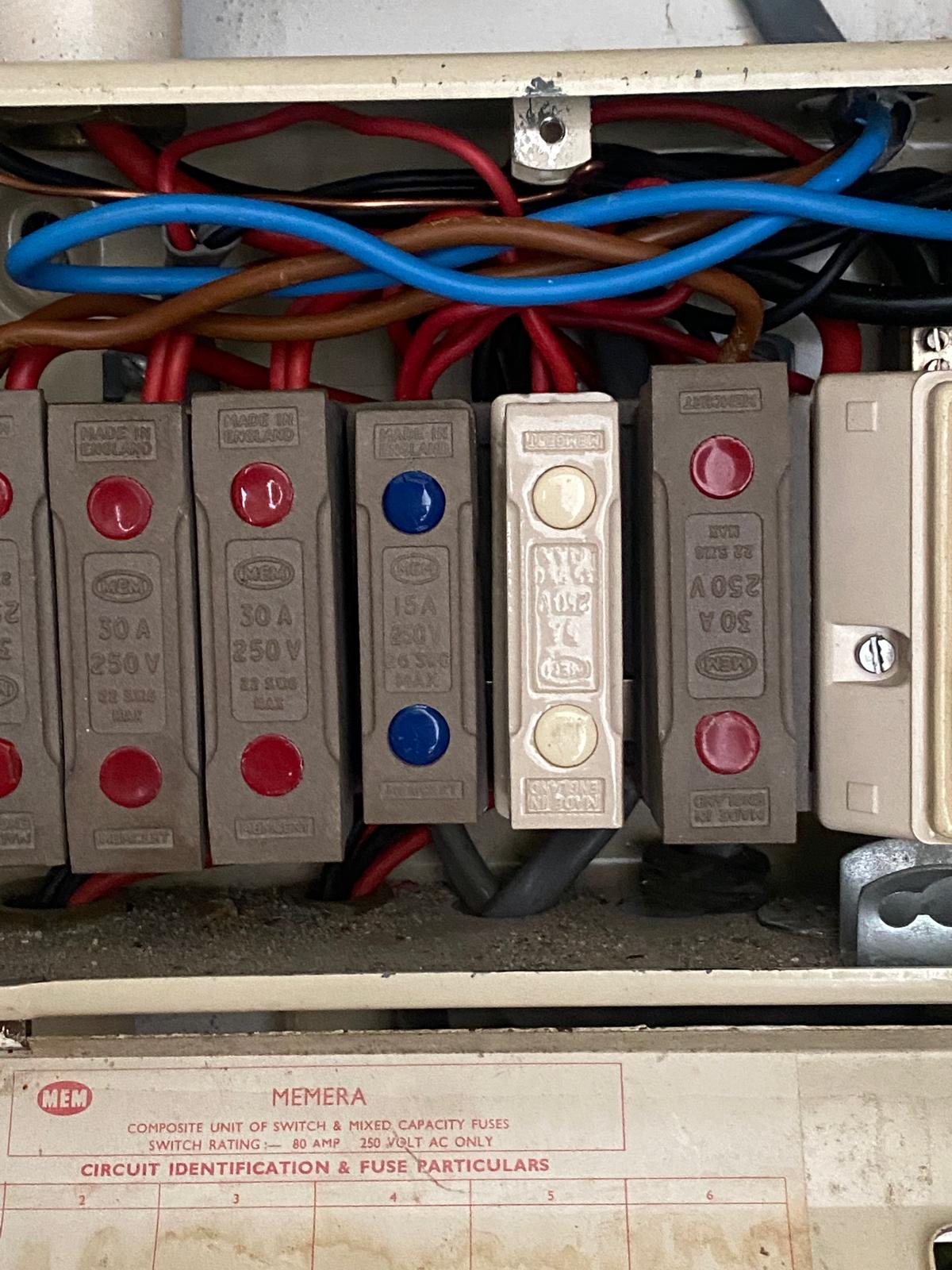
If your electrics trip every time the kettle, shower and washing machine are running together, the question of when should a fuse box be replaced stops being theoretical. It becomes a safety and reliability issue. For many homeowners, landlords and business owners, the fuse box sits out of sight until something goes wrong, but it plays a central role in protecting the property, the wiring and the people using it.
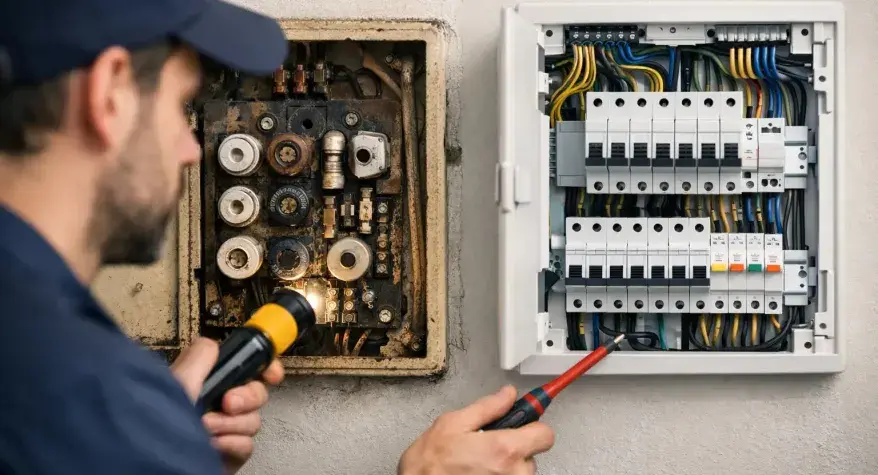
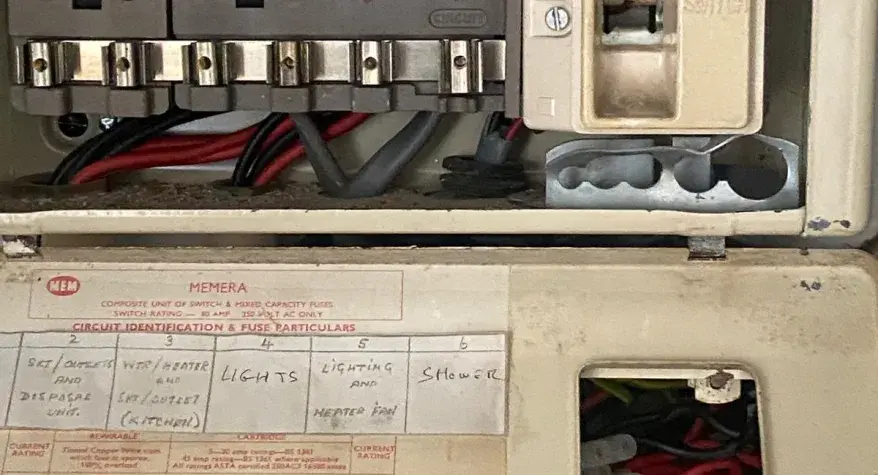
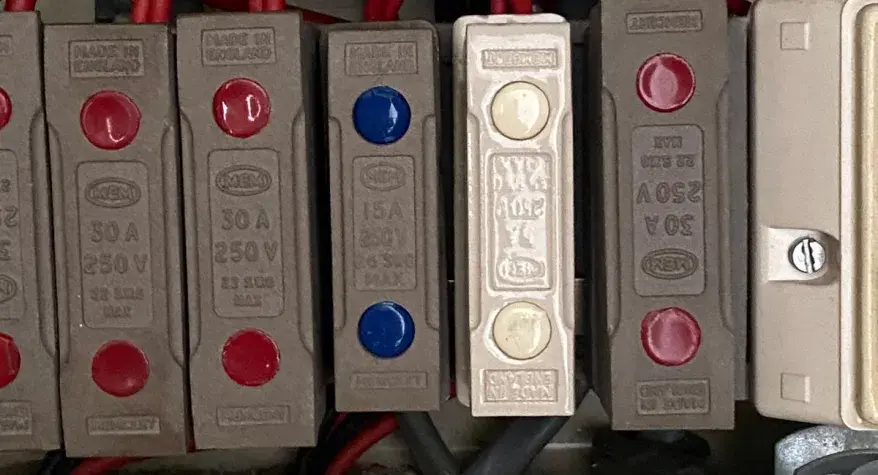
A lot of older properties in North West London still have outdated boards, and not every old fuse box is automatically dangerous. That said, age, condition and the way the installation is being used all matter. If your electrical setup has not kept pace with modern demand, replacement is often the sensible option rather than another short-term repair.
When should a fuse box be replaced in a property?
The clearest answer is this: a fuse box should be replaced when it can no longer provide safe, effective protection for the circuits in the building. That may be because it is old, damaged, incorrectly installed, missing key safety devices or simply not suitable for the way the property is used now.
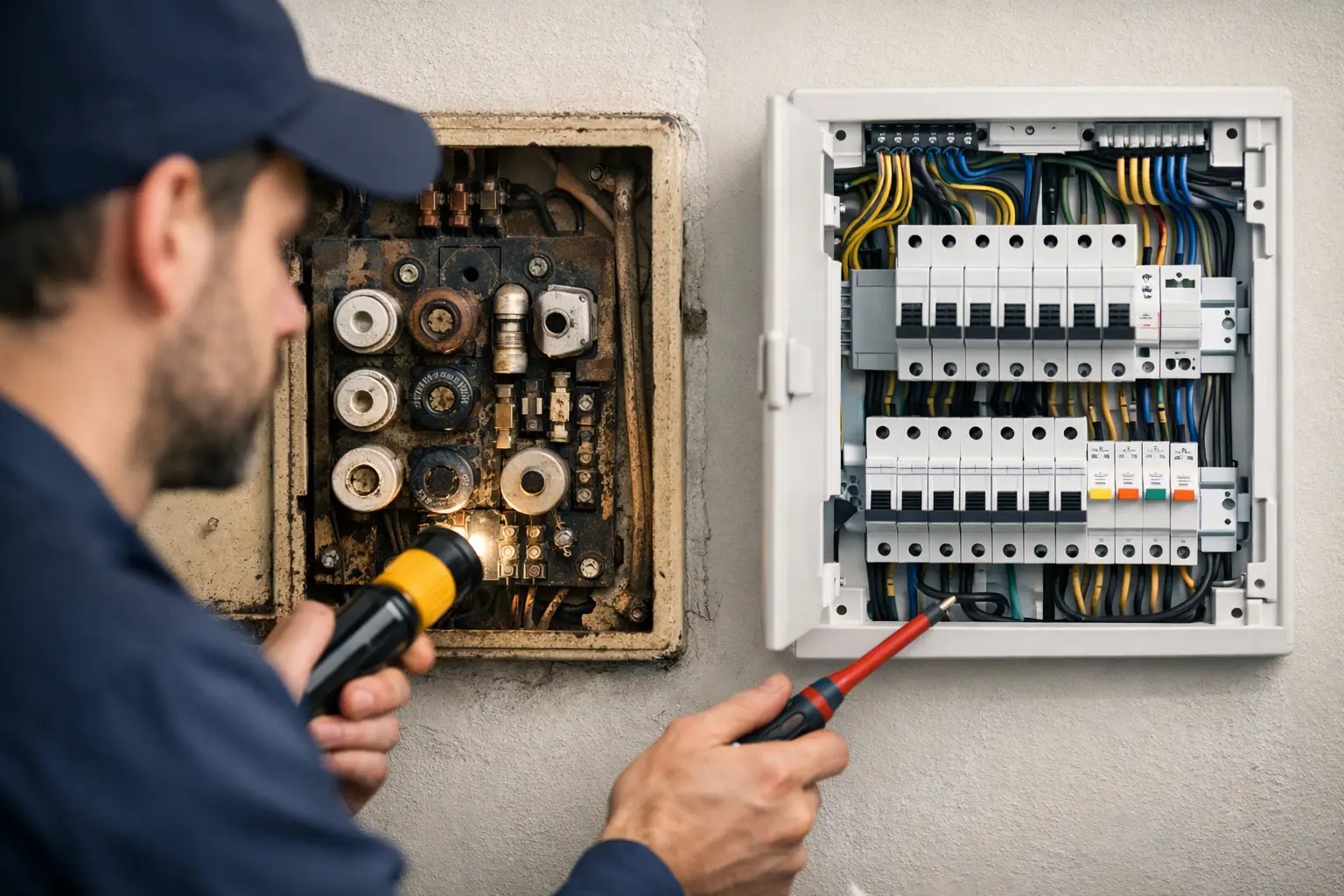
Modern consumer units are built to a higher safety standard than many older fuse boxes. They typically include miniature circuit breakers instead of rewirable fuses, and many also include RCD or RCBO protection designed to disconnect power quickly in dangerous fault conditions. If your current board does not offer that level of protection, it may not meet modern expectations for safety, even if it still appears to work.
There is also a practical side to this. An older fuse box may not have enough capacity for an extension, a loft conversion, an EV charger, electric heating, or even the everyday load of a busy family home. When a board starts becoming a bottleneck, replacement is usually more cost-effective than trying to force an outdated setup to cope.
Signs your fuse box may need replacing
One of the most common warning signs is repeated tripping. Occasional tripping can happen if there is a genuine fault on a circuit or a one-off overload, but frequent trips should not be ignored. If the same circuit keeps cutting out or the whole board trips regularly, the issue may be with the board itself, the wiring, or both.
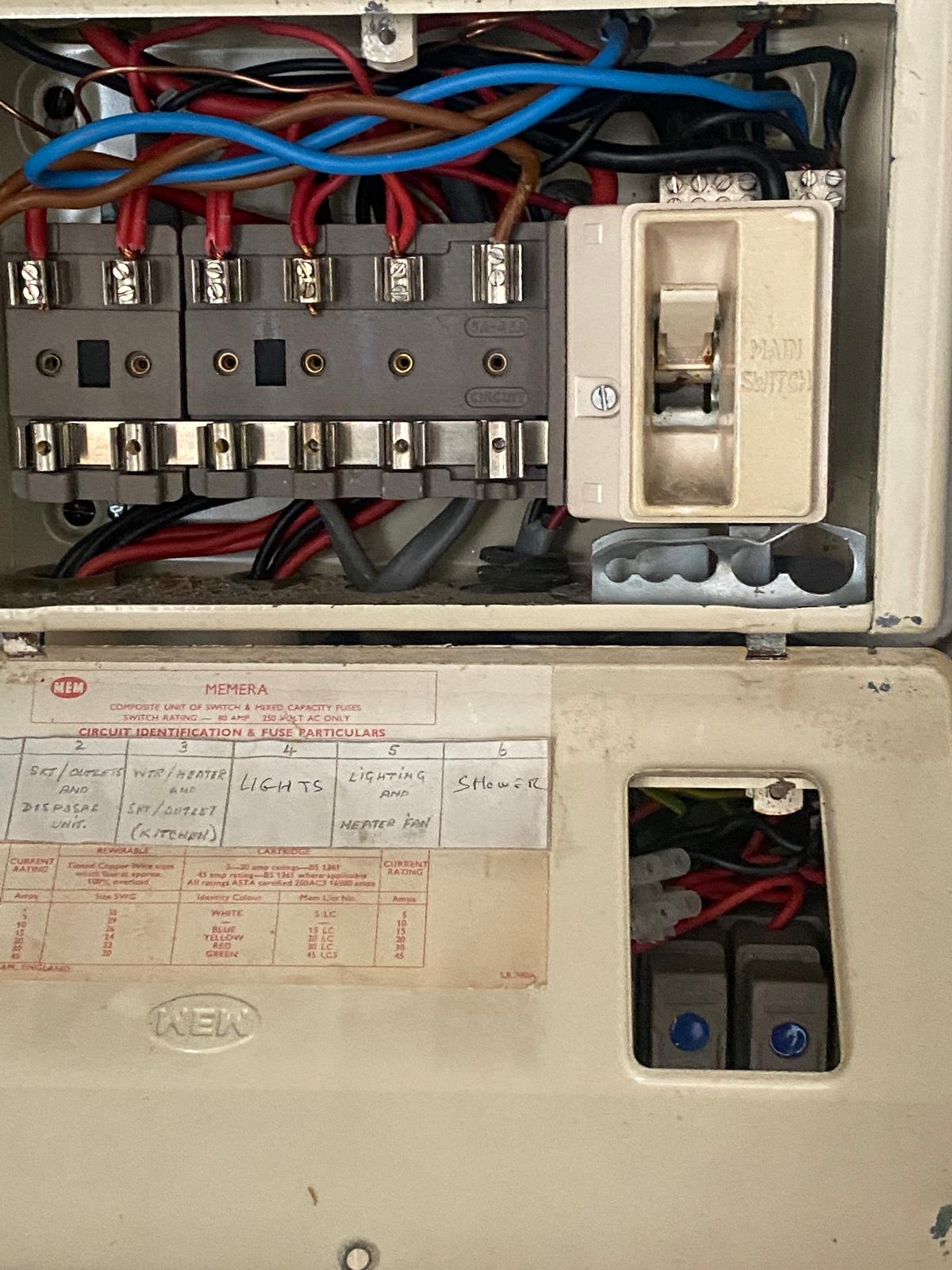
Another sign is an old-style fuse box with ceramic fuses or wooden backing. These boards were common in older installations, but they do not offer the same level of protection as a modern consumer unit. If your property still has one, it is worth having it assessed, particularly if you are planning any electrical work or have recently moved in.
You should also pay attention to physical condition. Burn marks, signs of overheating, a damaged casing, loose components or a persistent buzzing sound all suggest the board needs urgent attention. A fuse box should be secure, enclosed and operating quietly. Anything else points to a problem that needs a qualified electrician.
For landlords and commercial clients, another trigger is an unsatisfactory EICR. If an inspection highlights the consumer unit as non-compliant, lacking RCD protection or presenting a fire risk, replacement may be the most direct way to bring the installation up to standard.
Old fuse wire versus modern protection
Rewirable fuses do work, but they are a dated form of protection and rely more heavily on correct maintenance. They are less convenient, easier to misuse and less responsive than modern devices. In practice, this means a newer consumer unit is generally safer and easier to manage.
A modern board also makes fault-finding quicker. That matters when you want problems resolved promptly, especially in rental properties or business premises where downtime causes real disruption.
Damage after faults or water ingress
Sometimes replacement is not about age at all. A fuse box that has been affected by water leaks, fire damage or a serious electrical fault may need to be replaced even if it was installed more recently. Moisture and heat can compromise internal components in ways that are not always obvious from the outside.
Situations where replacement makes good sense
There are times when replacing the fuse box is not strictly an emergency, but it is still the right decision. Renovation work is one example. If you are upgrading a kitchen, adding circuits, fitting electric underfloor heating or installing outdoor power and lighting, your electrician may advise a new consumer unit so the whole installation can be protected properly.
Buying an older property is another common point. Many buyers inherit electrics that have been altered over decades, sometimes by different tradespeople to different standards. If the fuse box is outdated, replacing it early can give you a safer starting point and make future work simpler.
Landlords often face this decision during compliance checks or between tenancies. If a board is borderline, it can be wiser to replace it while the property is vacant rather than wait for faults, failed inspections or tenant complaints later on.
For commercial premises, reliability matters just as much as safety. A board that trips without warning or cannot support added equipment can interrupt trading and frustrate staff and customers. In that setting, replacement is often as much about business continuity as it is about compliance.
When a fuse box might not need replacing
It is not always necessary. If the consumer unit is relatively modern, in good condition and correctly equipped for the installation, the issue may lie elsewhere. Tripping could be caused by a faulty appliance, a damaged circuit or poor previous workmanship rather than the board itself.
That is why proper testing matters. A trustworthy electrician should not recommend replacement on age alone without inspecting the condition, checking the protective devices and understanding how the installation is performing. In some cases, targeted repairs or circuit alterations are enough.
This is especially relevant where budgets are tight. Homeowners and landlords do not want to spend money on a new board if a smaller repair will safely solve the problem. The key is getting a clear diagnosis rather than guessing.
What happens during a fuse box replacement?
Replacing a fuse box is not just a case of swapping one box for another. The electrician should assess the existing installation, test the circuits and confirm that the wiring is suitable to be connected to a new consumer unit. If there are faults elsewhere in the installation, these may need to be addressed as part of the work.
Power will need to be isolated during the changeover, so there is usually some disruption while the work is carried out. Once the new unit is installed, the circuits should be fully tested and the correct certification issued. As this is notifiable work under Part P in many domestic situations, it needs to be completed properly and documented.
The result is usually a safer, clearer and more reliable setup. Circuits are easier to identify, faults are easier to trace and the installation is better prepared for current electrical demand.
Cost versus risk
People often ask whether replacing a fuse box is worth the cost. In many cases, yes. A modern consumer unit is a safety upgrade, but it can also prevent ongoing call-outs, nuisance tripping and the limitations that come with an older board.
The exact cost depends on the property, the number of circuits and the condition of the existing wiring. If hidden faults are uncovered during testing, that can affect the final scope of work. A good contractor will explain this clearly in advance and provide a written quotation so there are no surprises.
Trying to postpone replacement can become more expensive if the old board is already failing or unsuitable. There is also the simple point that electrical safety is not an area where makeshift solutions age well.
Getting the right advice
If you are unsure when should a fuse box be replaced, the best next step is an inspection by a qualified electrician who will test the installation and explain the findings in plain English. You want clear advice, not scare tactics.
For property owners in Dollis Hill, Cricklewood and the surrounding North West London area, Lighthouse Engineering Ltd regularly helps customers assess whether a repair, upgrade or full consumer unit replacement is the right option. The aim should always be the same: safe electrics, reliable performance and a solution that suits the property rather than a one-size-fits-all answer.
If your fuse box is old, damaged or struggling to keep up, dealing with it sooner usually gives you more control over the cost, timing and outcome.
Get in touch with us today to discuss upgrading your fuse box!