When a shop light fails, a fuse board starts tripping, or an office refit needs power in the right places from day one, the search usually starts the same way - commercial electricians in my area. The problem is that a quick search can give you a long list of names, but not much clarity on who will actually turn up on time, quote properly, and carry out safe work that stands up to inspection.

For business owners, landlords, managing agents, and anyone responsible for a commercial property, choosing the right electrician is not just about finding somebody available. It is about finding a contractor who understands how commercial work affects trading hours, staff safety, tenants, compliance, and the day-to-day running of the building.
What commercial electricians in my area should offer
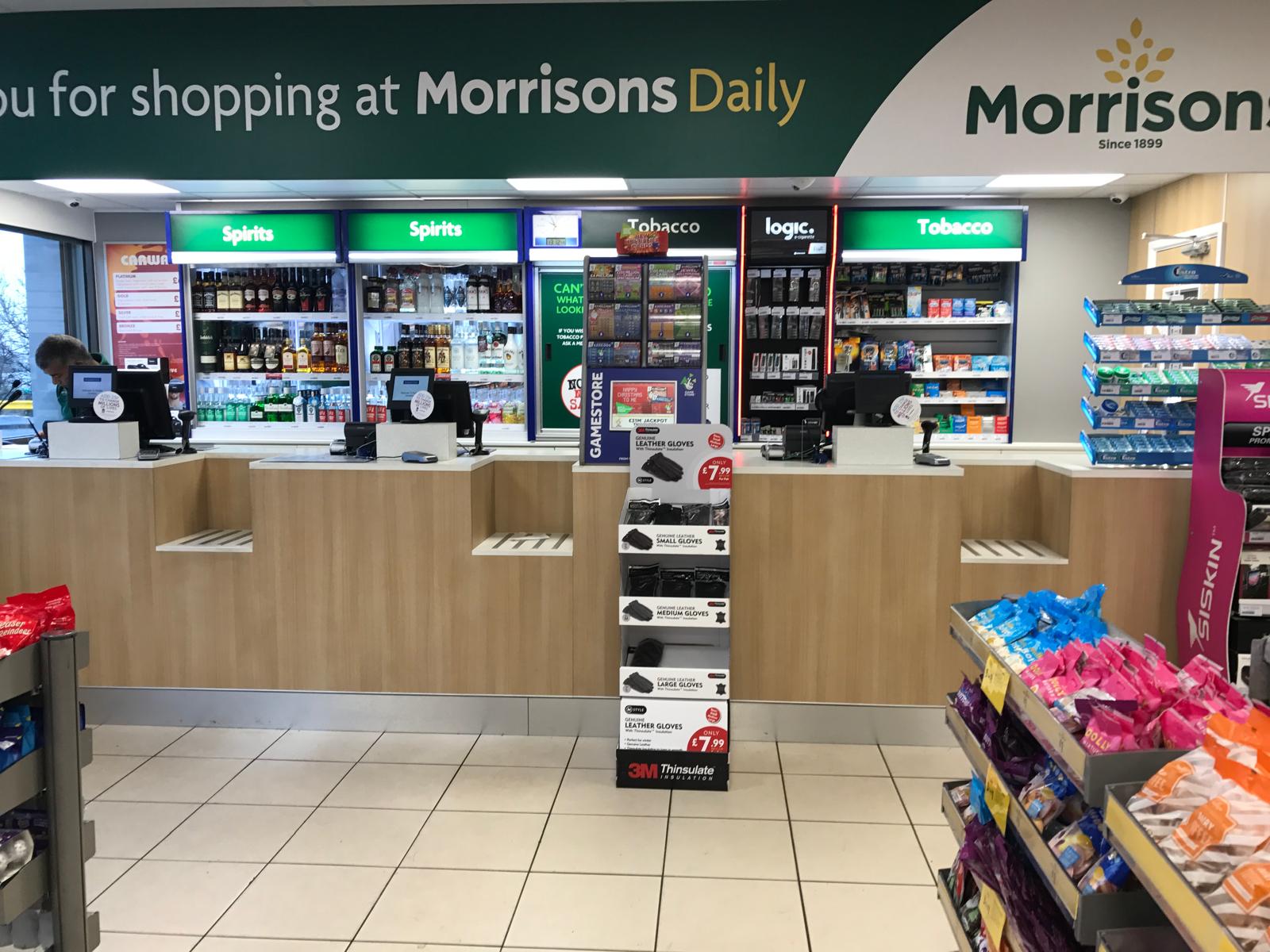
Commercial electrical work is different from small household jobs. Even where the task looks straightforward, the setting adds pressure. A fault in a retail unit can affect customers and card machines. A lighting issue in a communal area can create a safety risk. Electrical work in offices, workshops, rental properties, and mixed-use buildings often needs more planning, better communication, and a stronger paper trail.
A reliable commercial electrician should be able to handle installation work, fault finding, repairs, upgrades, testing, and ongoing maintenance. That may include emergency lighting, consumer unit or distribution board upgrades, rewiring, smoke and heat alarm systems, power supplies for new equipment, extractor fans, heating controls, and lighting improvements.
Just as important, they should be able to explain what is needed in plain terms. If a contractor talks around the issue but cannot clearly set out the problem, the solution, and the likely cost, that is usually a warning sign.
Local knowledge matters more than many clients expect
When people search for commercial electricians in my area, they are often looking for speed. That makes sense. A local contractor can usually respond more quickly, knows the surrounding neighbourhoods, and is less likely to treat a smaller commercial job as an inconvenience.
But local knowledge helps in other ways too. Electricians working regularly across places such as Dollis Hill, Cricklewood, and nearby North West London areas understand the mix of property types they are likely to encounter. Older buildings, converted units, extensions added over time, and previous electrical alterations all affect how work should be approached.
A local firm also has more to lose from poor service. Reputation travels quickly within a small trading area. Businesses that rely on repeat custom tend to be more careful about punctuality, tidiness, communication, and aftercare because their name is tied to the community.
How to judge whether a commercial electrician is reliable
The best contractor is not always the cheapest, and the most expensive quote is not automatically the most thorough. Reliability usually shows up in smaller details before work even begins.
A dependable electrician should respond within a reasonable timeframe, ask sensible questions about the property and the fault, and give you a clear written quotation rather than a vague verbal estimate. They should tell you what is included, what may affect the final cost, and whether there are any unknowns that need to be checked on site.
Punctuality matters as well. In commercial settings, access is often arranged around tenants, staff, deliveries, or opening hours. If an electrician is casual about time before the job starts, that may become a bigger problem once work is underway.
It is also worth noticing how they speak about safety. A good contractor does not treat testing, certification, or compliance as an optional extra. They understand that businesses and landlords need work completed properly, with the right checks and documentation where required.
Questions worth asking before you agree to any work
A few direct questions can tell you a lot. Ask what similar commercial work they carry out regularly. Ask whether the quotation is written and what it covers. Ask whether there may be disruption to the property and how they plan to keep that to a minimum.
If the work relates to safety systems, landlord responsibilities, or a property being prepared for tenants, ask what certification or follow-up paperwork you should expect. You do not need a technical lecture. You do need straight answers.
There is also no harm in asking how soon they can attend and how they handle urgent faults. Some firms are excellent on planned works but weaker when it comes to responsive call-outs. Others are set up specifically to support local clients quickly.
Price matters, but so does what you are paying for
It is natural to compare quotes. The mistake is to compare numbers without comparing scope. One contractor may include testing, minor making good, certification, and a careful explanation of any remedial work. Another may leave half of that out and appear cheaper at first glance.
Commercial clients are usually better served by transparency than by headline price alone. Clear written quotations reduce disputes and make it easier to budget. They also show that the contractor takes the job seriously.
There are times when extra cost is justified. Fault finding in an older building, for example, can take time because previous alterations may not be documented properly. Equally, some work can be straightforward and should be priced accordingly. A trustworthy electrician will not pretend every job is complicated. They will explain what is known, what is uncertain, and where costs may change if hidden issues are found.
Signs you may need a commercial electrician sooner rather than later
Some electrical problems announce themselves clearly. Others are easy to ignore until they interrupt trading or create a larger repair bill. Flickering lights, repeated tripping, overheating fittings, dead sockets, unreliable emergency lighting, ageing consumer units, and damaged accessories are all worth checking promptly.
In commercial and rental settings, compliance concerns often drive the call. A landlord preparing for new tenants, a letting agent managing multiple properties, or a business owner upgrading part of a premises may need testing, remedial works, alarm improvements, or a safer, more modern installation.
Refits and upgrades are another common reason. New lighting layouts, extra sockets, heating controls, extractor fans, or power for equipment all need proper planning. Good electrical work should support how the space is actually used, not just satisfy the bare minimum.
Why communication is part of the service
Electrical work is technical, but the experience should not feel confusing. Clients should know when the electrician is coming, what work is being done, how long it is likely to take, and whether there are any access or safety requirements.
This matters even more for landlords, managing agents, and business owners who are coordinating other people. Delays, vague updates, and unclear costs create avoidable stress. Clear communication saves time and helps the job move forward without constant chasing.
That is one reason many clients prefer an established local contractor over a faceless national chain. With a local firm, you are more likely to speak to somebody who understands the actual job and takes responsibility for seeing it through. For clients across North West London, that practical, accountable approach is often what makes the difference between a smooth project and a frustrating one.
Choosing a contractor for ongoing support, not just one job
If you manage a commercial property or a portfolio, it is worth thinking beyond the immediate fault. A contractor who handles repairs, upgrades, testing, lighting, alarms, and general electrical maintenance can become a useful long-term contact.
That continuity has real value. The electrician gets to know the property, previous issues, and any recurring concerns. You spend less time re-explaining the same building to new tradespeople. When something urgent happens, there is already a relationship in place.
This is where service standards matter. Businesses such as Lighthouse Engineering Ltd build trust not through big claims, but through the basics done properly - turning up when promised, quoting clearly, carrying out safe work, and treating clients and properties with respect.
The right choice is usually the clearest one
If you are comparing commercial electricians, pay attention to who makes the process feel straightforward. The right contractor should be qualified, responsive, honest about costs, and comfortable explaining what your property needs without pressure or jargon.
A good commercial electrician helps you make sensible decisions, whether that means an urgent repair, a planned upgrade, or a wider improvement to the safety and reliability of the installation. When you find a local firm that combines technical ability with clear communication and dependable service, you are not just solving one problem - you are making the next one easier to deal with.