As the colder nights begin to arrive, now is a good time to check whether your home's heating is ready for the months ahead.
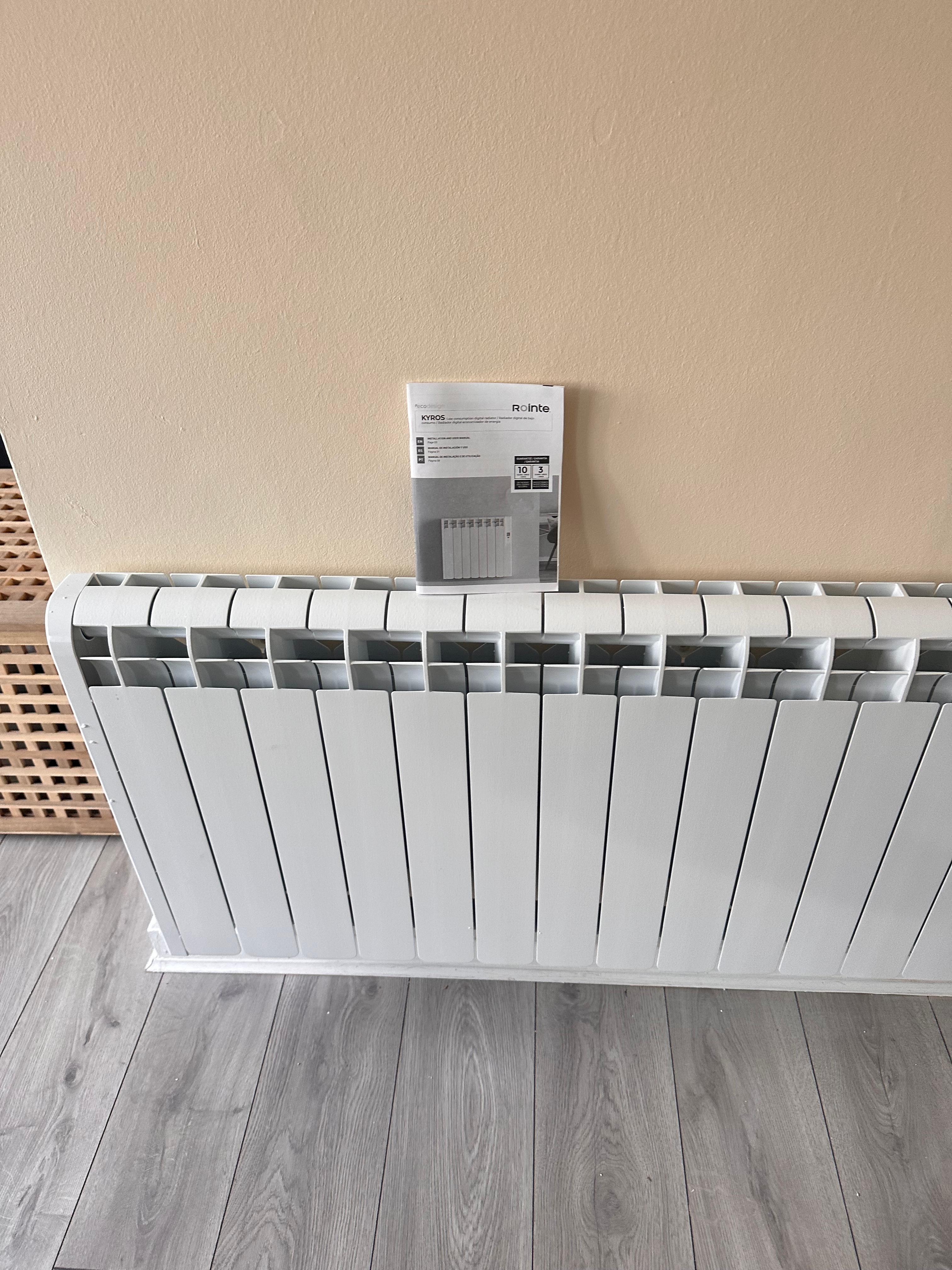
For homeowners who rely on electric heating, an old radiator that struggles to heat a room, a heater that keeps tripping the electrics or a lack of heating in an extension or home office can quickly become a problem.
Electrical heating installation can provide a practical way to heat individual rooms, extensions, flats, garden rooms and other areas of a property. Modern electric radiators can also offer greater control over when and where you use your heating.
But installing electric heating isn't simply a case of putting a radiator on the wall and connecting it to the nearest electrical supply.
The existing electrical installation needs to be assessed to make sure it can safely handle the additional load.
At Lighthouse Engineering Ltd, we provide professional electrical heating installation in NW London and surrounding areas, including Dollis Hill, Cricklewood, Willesden, Willesden Green, Wembley, Kilburn, Hampstead and Hendon.
With over 30 years' electrical experience, we are a Rointe Approved Installer, NICEIC Approved Contractor and Which? Trusted Trader.
Is your electric heating ready for winter?
If your electric heating has been switched off throughout the warmer months, the first cold night of winter isn't the ideal time to discover a problem.
Before the really cold weather arrives, check that your heating is operating correctly.
Warning signs to look out for include:
- Electric heaters that won't switch on
- Circuit breakers or RCBOs tripping
- Burning smells
- Hot or discoloured sockets and switches
- Damaged cables
- Unusual noises from heaters
- Faulty thermostats or controls
- Rooms that remain cold despite the heating running
- Old heaters that are becoming unreliable
If you notice burning, overheating, damaged wiring or repeated tripping, stop using the equipment and have the installation checked by a qualified electrician.
What is electrical heating installation?
Electrical heating installation involves connecting electric heating equipment to a suitable electrical supply and ensuring the installation is properly designed, protected, installed and tested.
Depending on the property and heating system, this may involve:
- Electric radiators
- Panel heaters
- Smart electric heating
- Storage heaters
- Electric towel rails
- Heating controls
- Dedicated electrical circuits
- New cabling
- RCBO protection
- Local isolation
- Consumer unit upgrades
The work required depends on the existing electrical installation and the heating system being installed.
Why does electric heating need careful electrical planning?
Electric heating can place a substantial continuous load on an electrical installation.
A single small electric radiator is very different from installing several high-output radiators throughout a property.
Before installing new electric heating, the electrical installation may need to be assessed for:
- Existing circuit capacity
- Cable sizes
- Consumer unit condition
- Protective devices
- Incoming electrical supply
- Existing electrical loads
- Number of proposed heaters
- Heater output
- Cable routes
- Heating controls
This assessment helps determine whether the existing installation is suitable or whether additional electrical work is required.
Do electric radiators need their own circuit?
There isn't one answer for every installation.
The electrical requirements depend on the size and number of heaters and the existing electrical installation.
A single radiator may have different requirements from several electric radiators operating simultaneously.
Where additional circuits are required, these can be installed from the consumer unit with appropriate protective devices and isolation.
The important thing is that the electrical supply is designed around the proposed heating load rather than simply using the nearest available socket.
Installing electric heating in older NW London homes
Many properties across NW London and surrounding areas vary considerably in age and construction.
Homes in areas such as Dollis Hill, Cricklewood, Willesden and Wembley can include older properties where the electrical installation has been altered or upgraded several times over the years.
Before adding significant electrical heating loads, it is important to establish whether the existing system is suitable.
An older property may have:
- An ageing fuse board
- Limited electrical capacity
- Older wiring
- Previous alterations
- Restricted cable routes
- Solid walls
- Limited access beneath floors
This doesn't automatically mean that the whole electrical installation needs replacing.
A proper assessment should identify what is suitable and whether any upgrades are actually necessary.
Replacing old electric radiators
If your existing electric radiators are old, unreliable or difficult to control, replacing them before winter can be a sensible investment.
Modern electric heating systems can offer improved temperature control, programmable settings and, depending on the system, smart controls.
However, replacing an old heater with a higher-output model can change the electrical load.
The existing circuit should therefore be checked before installation.
Rointe electric heating installation
Lighthouse Engineering Ltd is a Rointe Approved Installer.
Rointe provides electric heating systems and controls designed for modern homes and other properties.
If you're considering Rointe electric radiators or another electric heating system, we can assess the electrical requirements and carry out the installation as part of a properly planned electrical system.
Our experience means we look beyond the heater itself and consider the complete electrical installation supplying it.
Smart electric heating controls
One of the advantages of modern electric heating is the level of control available.
Depending on the system, you may be able to control heating by:
- Temperature
- Time
- Individual room
- Heating schedule
- Smart controls
- Smartphone or app
This can be particularly useful in homes where rooms are used at different times.
For example, you may only want to heat your home office during working hours or your living room during the evening.
Better control can help prevent heating empty rooms unnecessarily.
However, running costs depend on several factors, including electricity prices, insulation, room temperature, heater output and how the system is used.
How much does electrical heating installation cost?
The cost of electrical heating installation in NW London varies depending on the property and the work required.
Factors can include:
- Number of heaters
- Heater type and output
- Existing electrical circuits
- Consumer unit capacity
- New circuit requirements
- Cable lengths
- Cable routes
- Access
- Heating controls
- Testing and certification
Replacing one existing heater where a suitable supply is already available can be a relatively straightforward job.
Installing electric heating throughout several rooms may require new circuits, additional cabling and electrical upgrades, making it a considerably larger project.
For that reason, a site assessment and written quotation are the best way to establish the actual cost.
Electric heating for extensions and garden rooms
Electric heating can be particularly useful where you're creating a new space such as:
- A home extension
- Loft conversion
- Garden room
- Home office
- New bedroom
- Converted garage
- Workshop
If you're already carrying out building or renovation work, it's worth planning the electrical heating before walls, ceilings and floors are finished.
This can make it easier to install concealed cables and avoid unnecessary disruption later.
Electric heating and consumer units
When installing additional electric heating, the consumer unit is an important part of the assessment.
The electrician should consider whether there is suitable capacity and whether the existing protective devices are appropriate for the proposed installation.
Depending on the circumstances, improvements may include:
- New circuits
- RCBO protection
- Additional isolation
- Consumer unit alterations
- Consumer unit replacement
An older consumer unit does not automatically need replacing simply because you're installing a heater.
The condition and suitability of the existing installation should be assessed first.
Electrical heating installation for landlords
Landlords considering electric heating should look at both the heating equipment and the electrical installation supplying it.
Adding electric radiators can change the electrical load within a property and may require additional circuits or other electrical work.
Lighthouse Engineering Ltd provides electrical heating installation and electrical testing services for landlords across NW London and surrounding areas.
We can also provide EICR testing and electrical safety services for rental properties.
How to keep electric heating installation costs under control
Good planning is usually the best way to control the cost.
Before requesting a quotation, it can help to provide:
- Number of rooms
- Approximate room dimensions
- Photos of the consumer unit
- Photos of proposed heater locations
- Existing heating arrangements
- Proposed heater models
- Details of any renovation work
If you're renovating, combining electrical heating with other electrical work can sometimes reduce disruption and repeat visits.
For example, new heating circuits could potentially be planned alongside:
- Consumer unit upgrades
- Rewiring
- New lighting
- Extension wiring
- Loft conversion wiring
- Don't forget insulation
Heating isn't just about the size of the radiator.
If a room loses heat quickly through poor insulation, draughts or inefficient windows, increasing the heater output may not solve the underlying problem.
Improving insulation and draught-proofing can complement an electric heating upgrade.
For more complex properties, a heating professional or energy assessor may also be able to advise on heat loss and the appropriate heating output.
Why choose Lighthouse Engineering Ltd?
Choosing the right electrician is important when installing electrical heating because the work involves more than simply fitting a heater.
The electrical installation needs to be suitable for the load, correctly protected and properly tested.
Lighthouse Engineering Ltd has over 30 years' electrical experience serving homeowners, landlords and businesses across NW London.
We are:
- Rointe Approved Installers
- NICEIC Approved Contractors
- Which? Trusted Traders
Our approach is straightforward.
We assess the installation, explain what is required, provide a clear quotation and carry out the electrical work safely and professionally.
We aim to provide a reliable, tidy service without recommending unnecessary work.
Areas we cover
Lighthouse Engineering Ltd provides electrical heating installation throughout NW London and surrounding areas, including:
- Dollis Hill
- Cricklewood
- Willesden
- Willesden Green
- Wembley
- Kilburn
- Hampstead
- Hendon
Surrounding NW London areas
If you're unsure whether we cover your location, contact us.
Get your electric heating ready for winter
Don't wait until the first freezing night to find out that your electric heating isn't up to the job.
Whether you need a single electric radiator replaced, additional heating installed in a new room or a complete electrical heating installation, Lighthouse Engineering Ltd can assess your requirements and provide a clear quotation.
With over 30 years' experience, Rointe Approved Installer status, NICEIC Approved Contractor status and Which? Trusted Trader accreditation, you can have confidence that your electrical heating installation is being carried out by an experienced local electrical contractor.
Need electrical heating installation in NW London?
Call Lighthouse Engineering Ltd on 020 8452 0694
Visit www.lighthouseengineering.co.uk
Lighthouse Engineering Ltd – Electrical Heating Installation in NW London & Surrounding Areas
Frequently Asked Questions
What is the cost of electrical heating installation in NW London?
The cost depends on the number and type of heaters, existing wiring, consumer unit capacity, cable routes and whether new electrical circuits are required. A written quotation following an assessment is the best way to establish the actual cost.
Can you install electric radiators in an older London property?
Yes. Older properties can often accommodate electric heating, but the existing electrical installation should be checked first to ensure it can safely handle the additional load.
Do electric radiators need a dedicated circuit?
Not necessarily. The electrical requirements depend on the heater output, number of heaters and existing installation. An electrician should assess the proposed load before deciding how the heating should be supplied.
Are Lighthouse Engineering Rointe Approved Installers?
Yes. Lighthouse Engineering Ltd is a Rointe Approved Installer.
Do you install electric heating in Dollis Hill?
Yes. We provide electrical heating installation in Dollis Hill and throughout NW London and surrounding areas.
Do you install electric heating in Cricklewood and Willesden?
Yes. We cover Cricklewood, Willesden, Willesden Green, Wembley, Kilburn, Hampstead, Hendon and surrounding NW London areas.
Can you install heating in a garden room or home office?
Yes. Electric heating can be a practical option for garden rooms, home offices, extensions and other additional spaces, subject to the electrical supply being suitable.
Can you install smart electric heating controls?
Yes, where compatible with the selected heating system. We can discuss the available control options as part of the installation.
Should electric heating be checked before winter?
If the heating has been unused for several months, checking it before the colder weather arrives is sensible. Particular attention should be given to tripping, overheating, burning smells, damaged cables and faulty controls.