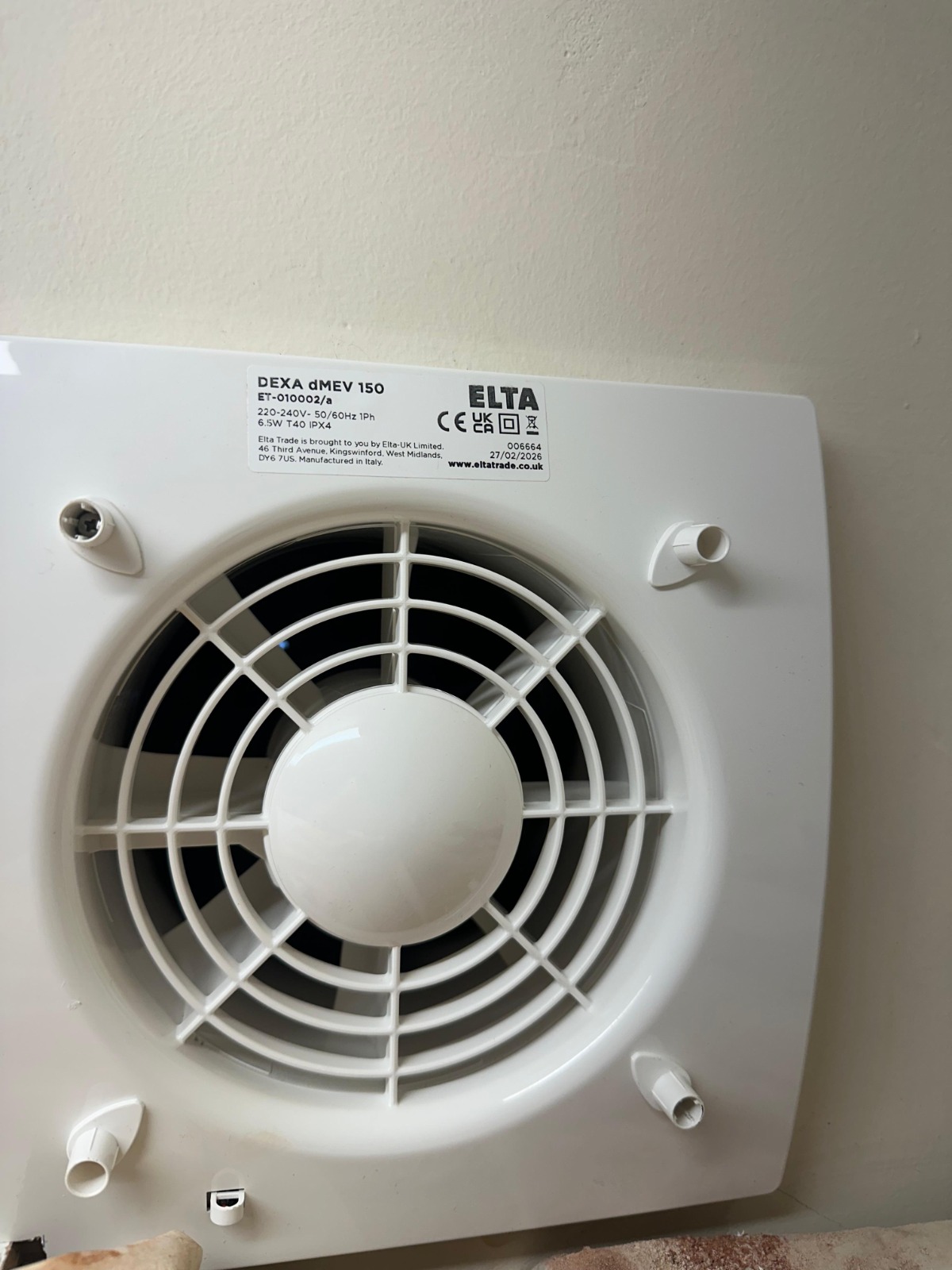
An extractor fan that suddenly starts rattling, humming or buzzing is hard to ignore. Whether it is fitted in a bathroom, kitchen or utility room, you expect it to quietly remove moisture, steam and unwanted odours without drawing attention to itself.
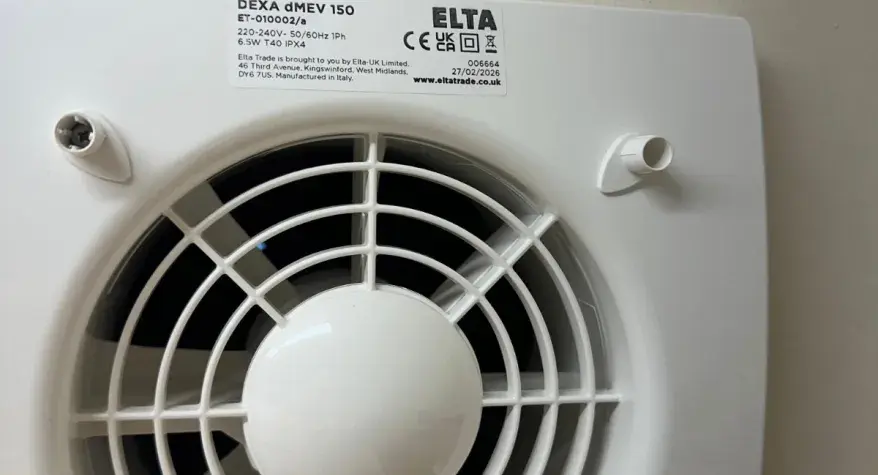
If you are wondering why your extractor fan is noisy, the good news is that the cause is often straightforward. However, unusual sounds should never be ignored. In many cases, noise is an early warning sign that the fan is working harder than it should, has become loose, or is beginning to fail.
As trusted local electricians serving Dollis Hill and the surrounding areas, we regularly help homeowners identify and resolve extractor fan problems before they turn into more expensive repairs.
Why Has My Extractor Fan Suddenly Become Noisy?
When a fan changes from running quietly to making noticeable noise, that usually points to a fault developing somewhere within the installation.
One of the most common causes is a build-up of dust, dirt or grease. In kitchens, airborne grease gradually sticks to the fan blades and housing. In bathrooms, dust combines with moisture and settles inside the unit. Over time, this build-up can affect the balance of the fan and cause vibration.
Loose fittings are another frequent cause. Mounting screws can work loose over the years, covers can shift slightly, and ducting can move. Even a small amount of movement can create a surprisingly loud rattling sound.
Age is also a factor. Extractor fans contain motors and bearings that wear over time. As components begin to deteriorate, fans often become progressively louder before eventually failing altogether.
Different Noises Can Point to Different Faults
The sound your extractor fan makes often provides valuable clues about the underlying problem.
Rattling Noise
A rattling extractor fan usually suggests that something has become loose. This could include:
- The front cover
- Mounting screws
- Ducting connections
- Debris trapped inside the fan
Even a small vibration can travel through a wall or ceiling, making the noise seem much louder than it actually is.
Buzzing or Humming Noise
A buzzing or humming fan can indicate an electrical or motor-related issue.
Common causes include:
- A motor struggling to start
- Worn internal components
- Electrical faults within the fan
- Problems with a timer or humidistat control
These faults often require proper electrical fault finding to diagnose safely.
Grinding or Scraping Noise
Grinding noises are generally more serious and often point to worn bearings or internal components rubbing together.
Once a fan reaches this stage, replacement is frequently more cost-effective than repair, particularly if the unit is several years old.
Knocking or Flapping Noise
Sometimes the fan itself is not the problem.
External grilles, backdraught shutters and flexible ducting can move during windy weather, creating sounds that appear to come from the fan.
The Most Common Causes of a Noisy Extractor Fan
In our experience, most noisy extractor fans come down to five main issues:
- Dust and dirt build-up
- Loose fittings
- Restricted airflow
- Worn motor components
- Poor installation
Restricted airflow is often overlooked. If ducting becomes blocked or partially obstructed, the fan has to work much harder to move air. This extra strain increases noise levels and reduces ventilation performance.
You may notice condensation lingering in the bathroom for longer than normal or cooking smells remaining in the kitchen after use.
Poor installation can also contribute to excessive noise. Fans mounted on uneven surfaces or connected to poorly supported ducting often vibrate more than they should.
What Can You Safely Check Yourself?
Before calling an electrician, there are a few basic checks you can safely carry out.
Start by inspecting the fan cover and grille. Look for:
- Visible dust build-up
- Loose covers
- Cracks or damage
- Signs of obstruction
If the manufacturer's instructions allow, carefully clean accessible dust from the grille and surrounding areas.
Avoid dismantling the fan or interfering with wiring. Extractor fans are electrical fittings, and any work involving electrical components should be left to a qualified electrician.
It can also help to note exactly when the noise occurs. For example:
- Does it start immediately?
- Does it get worse after a few minutes?
- Is it more noticeable during windy weather?
- Does opening a window or door affect it?
These observations can help identify whether the issue relates to airflow, ducting or the fan itself.
When Should You Call a Local Electrician?
Some extractor fan faults require professional attention.
You should arrange an inspection if the fan:
- Buzzes excessively
- Struggles to start
- Stops unexpectedly
- Trips electrical circuits
- Smells hot
- Shows signs of water ingress
Fans connected to timers, humidistats or concealed ducting systems can be more complex than they first appear and often require specialist fault finding.
For landlords, a faulty extractor fan can contribute to damp, mould and tenant complaints. For businesses, noisy ventilation systems can create an unprofessional impression and affect comfort for staff and customers.
Repair or Replace?
Whether repair or replacement is the best option depends on the age of the fan and the fault involved.
Repair is often worthwhile when the issue relates to:
- Loose fittings
- Blocked grilles
- Minor vibration problems
- Damaged covers
Replacement is often the better long-term solution when:
- Bearings have worn out
- The motor is failing
- The fan is old and inefficient
- Ventilation performance has noticeably reduced
- Modern extractor fans are generally quieter, more energy efficient and more effective at controlling moisture than older models.
Preventing Extractor Fan Problems
Regular cleaning is one of the simplest ways to keep an extractor fan running quietly and efficiently.
Removing dust and grease helps maintain airflow, reduces strain on the motor and can significantly extend the life of the fan.
It is also worth paying attention to early warning signs. If the fan begins sounding different, vibrates more than usual or struggles to clear moisture, dealing with the problem promptly can often prevent a complete failure later on.
Trusted Local Electricians for Extractor Fan Repairs in Dollis Hill
If your extractor fan has become noisy, it is worth having it checked before a minor issue develops into a complete breakdown.
At Lighthouse Engineering, we provide extractor fan fault finding, repairs and replacements for homeowners, landlords and local businesses throughout Dollis Hill and the surrounding areas, including Cricklewood, Willesden, Neasden, Wembley, Kilburn and Hendon.
With over 30 years of experience, we are known for solving electrical faults that others struggle to find. Whether the problem is a loose fitting, faulty fan motor, damaged ducting or an ageing extractor fan that needs replacing, we can help identify the cause and recommend the most practical solution.
A properly installed and maintained extractor fan should do its job quietly, safely and reliably. If yours is making more noise than it should, it may be time to have it professionally checked by a trusted local electrician. Get in touch today!