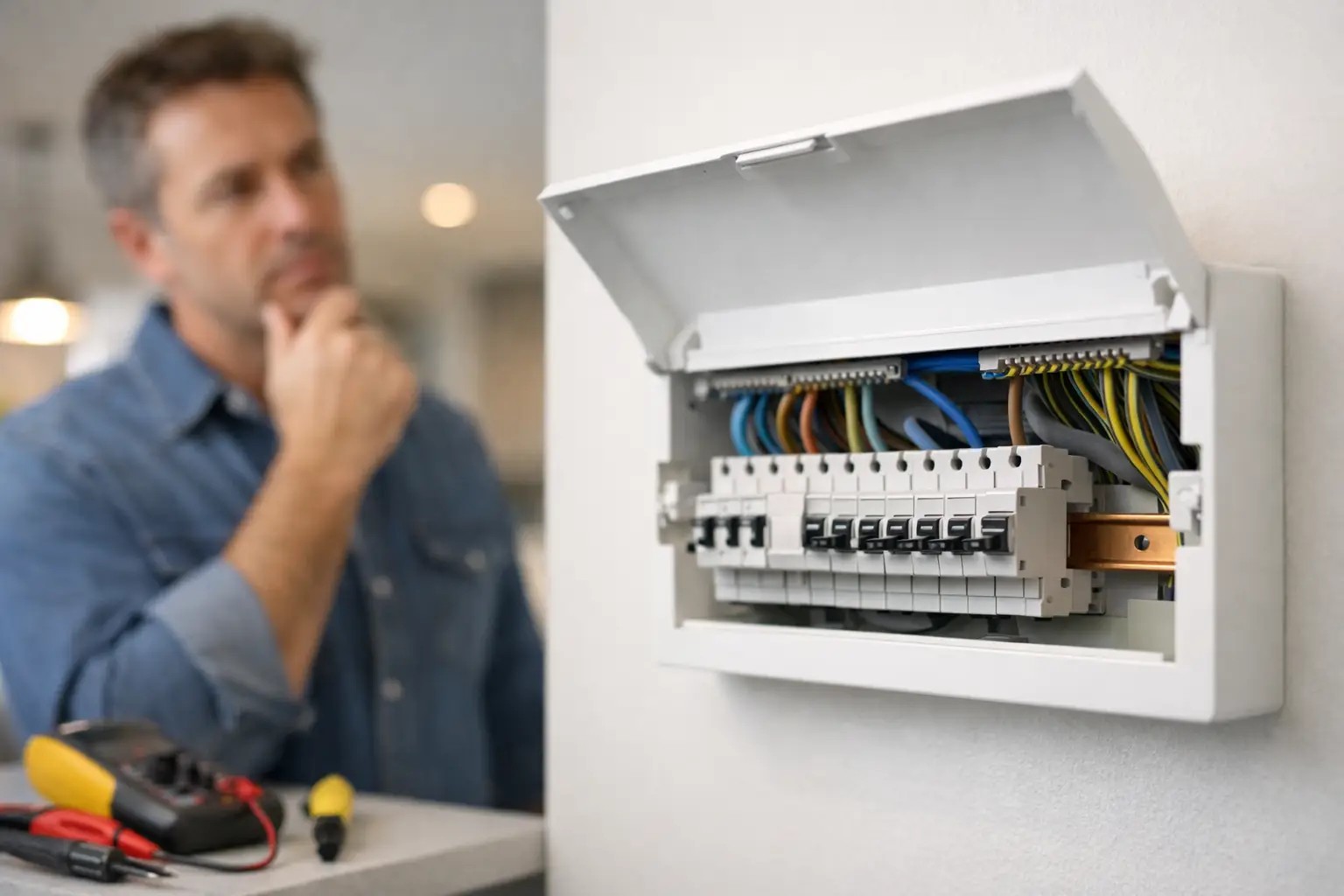
If you have ever opened the cupboard under the stairs and wondered, do I need to upgrade my consumer unit, you are not alone.
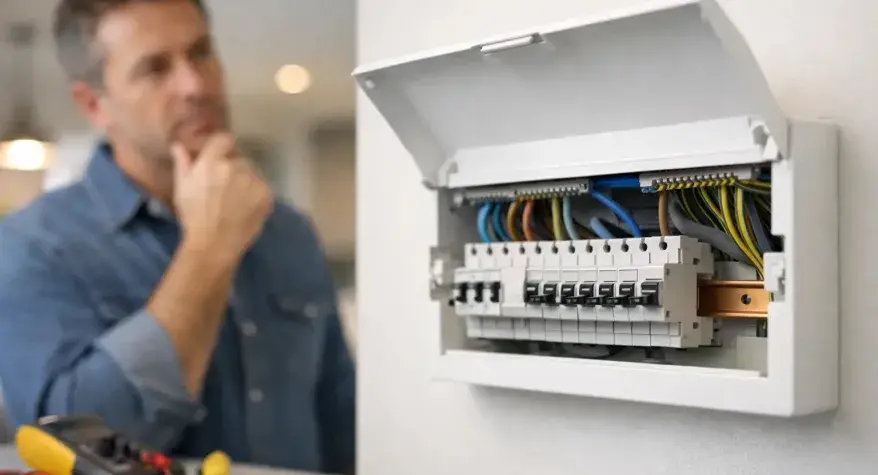
It is one of the most common questions homeowners and landlords ask when electrics start showing their age, a property is being renovated, or an inspection flags concerns. In many cases, the answer is not simply yes or no - it depends on safety, condition, capacity and whether the unit still suits the way the property is used.
A consumer unit is the main control point for your electrical circuits. It distributes power around the property and is designed to protect you, your family and the building if something goes wrong. When it is outdated, damaged or lacking modern protection, the risk is not just inconvenience. It can mean reduced protection against electric shock, overloads and fire.
Do I need to upgrade my consumer unit if it still works?
This is where many people get caught out. A consumer unit can appear to be working perfectly well while still falling short of modern safety standards. Lights come on, sockets work, and nothing seems obviously wrong. That does not necessarily mean the installation is safe or suitable.
Older fuse boxes often rely on rewireable fuses or dated circuit breakers without the level of protection expected today. Modern consumer units usually include RCDs and, in many cases, RCBOs, which are designed to disconnect power quickly if a fault is detected. That extra protection matters, particularly in kitchens, bathrooms, gardens and any area where water or outdoor use increases risk.
So if your current unit still works, you may not need an urgent replacement tomorrow morning. But if it is old, lacks RCD protection, has visible wear, or has been flagged on an electrical inspection, it is sensible to have it assessed properly.
Signs your consumer unit may need replacing
The age of the unit is often the first clue. If your property still has an old-style fuse box with ceramic fuses, a wooden back, or no labelled modern breakers, it is likely worth looking at. The same applies if there are signs of overheating such as scorching, cracking, a burning smell or breakers that trip repeatedly.
Frequent tripping does not always mean the consumer unit itself is faulty. Sometimes it points to a problem on one of the circuits or an appliance fault. But persistent tripping should never be ignored. It needs proper fault-finding so the real cause can be identified.
You may also need to consider an upgrade if you are adding more electrical demand to the property. Common examples include an extension, a loft conversion, electric heating, a new shower, an induction hob or an EV charger. In these situations, the existing board may not have the capacity or correct protective devices for the new installation.
For landlords, an unsatisfactory EICR is another key trigger. If the report identifies a lack of adequate protection or issues at the consumer unit, replacement may be the most practical way to bring the installation up to an acceptable standard.
Common situations where an upgrade makes sense
A consumer unit upgrade is often recommended when carrying out a rewire, major refurbishment or substantial electrical alteration. It can also make sense when buying an older property, especially if there is little documentation for previous electrical work.
Sometimes the decision is less about failure and more about future-proofing. If you already know the property will need extra circuits, modern safety devices or improved compliance, replacing the unit before problems arise can be the cleaner and more cost-effective option.
What makes a modern consumer unit safer?
The main difference is the level of protection built in. Modern units are designed to disconnect a circuit quickly under fault conditions. That can reduce the chance of electric shock and help limit the risk of overheating or fire.
RCD protection is now standard in most domestic installations. RCBOs go a step further by providing individual protection for each circuit, which can make fault diagnosis easier and reduce nuisance tripping across the rest of the property. Many newer boards are also metal-clad, which adds fire resistance compared with some older plastic units.
That said, the best setup depends on the property. A good electrician will not simply recommend the most expensive board. They will look at the existing installation, the number of circuits, any planned additions, and whether the current earthing and bonding arrangements are up to standard.
When you might not need a full upgrade
Not every electrical issue means the whole consumer unit has to go. If the installation is relatively modern, has suitable protection and the problem is isolated to one circuit or one faulty device, a repair may be enough.
Likewise, if an inspection identifies a minor issue elsewhere in the system, replacing the board may not be necessary. This is why proper testing matters. Guesswork leads to unnecessary expense, while a thorough assessment gives you a clear basis for the right decision.
There are also cases where a unit looks modern on the surface but still has installation issues behind it. Equally, an older unit may be functioning safely in the short term but still be worth replacing because of age, lack of capacity or poor long-term suitability. It really does come down to condition and context.
What happens during a consumer unit upgrade?
A consumer unit replacement is not just a swap of one box for another. The electrician will usually carry out checks on the existing installation before work starts, because the new board must be connected to circuits that are safe to energise. If faults are found on those circuits, they may need to be corrected as part of the job.
The power will need to be turned off while the old unit is removed and the new one is installed. Once fitted, the installation should be fully tested and certified. You should receive the appropriate paperwork confirming the work has been completed and tested properly.
A professional, written quotation matters here. It should set out what is included, whether testing and certification are part of the price, and whether any remedial work is likely to be extra if hidden faults are uncovered.
How long does it take?
In many homes, a straightforward consumer unit upgrade can be completed within a day. That can change if the existing wiring has faults, if circuits are poorly identified, or if earthing and bonding upgrades are needed at the same time.
Older properties in North West London often come with a few surprises, so it is better to allow for proper testing and careful workmanship than expect a rushed job.
Is upgrading a consumer unit worth the cost?
For most people, this is really a question about value rather than just price. A consumer unit is not the sort of upgrade you choose for appearance. You replace it because safety, reliability and compliance matter.
If your current board is outdated, an upgrade can give you stronger fault protection, better support for modern electrical demands and greater confidence in the installation. For landlords, it can also help avoid ongoing issues around safety reporting and remedial recommendations. For homeowners planning improvements, it can prevent the consumer unit becoming a bottleneck later.
The cheapest quote is not always the best value. Good workmanship, clear certification, proper testing and a tidy installation all count. So does having an electrician who explains the findings plainly and does not push work that is not needed.
Choosing the right electrician for the job
A consumer unit upgrade should only be carried out by a qualified electrician who can test, certify and notify the work where required. This is not a handyman job and it is not something to cut corners on.
Look for someone who is willing to inspect the current setup first, explain whether replacement is necessary, and give you a transparent written quote. You want straight answers about what is included, what might affect the price, and whether any wider issues with the installation have been found.
That is the approach we take at Lighthouse Engineering Ltd - clear advice, proper testing and no drama. If a consumer unit needs upgrading, we will say so. If it does not, we will tell you that too.
So, do I need to upgrade my consumer unit?
If your consumer unit is old, lacks modern protection, shows signs of damage, trips regularly, or has been highlighted on an inspection report, an upgrade is often the right step. If you are adding major new electrical loads or renovating the property, it may also be the sensible time to do it.
If you are unsure, the safest approach is not to wait for a fault to make the decision for you. Have the installation checked properly, ask for a clear explanation of the condition and risks, and base the choice on evidence rather than guesswork. A good consumer unit should quietly do its job in the background - and that peace of mind is usually worth having.
To discuss upgrading your consumer unit, give us a call today!