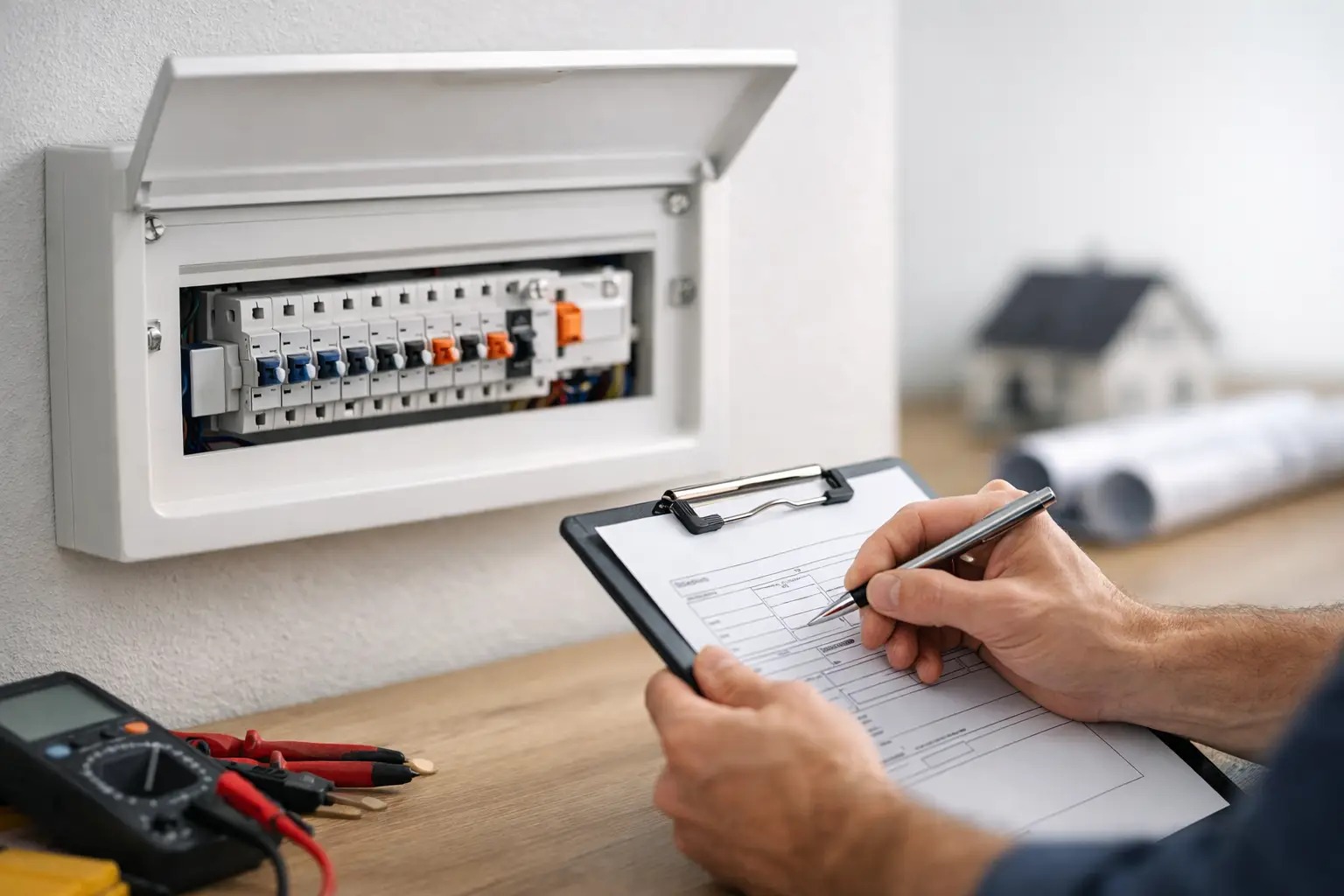
If you have just had your fuse box replaced, one question matters more than most - what paperwork should you receive afterwards? A consumer unit upgrade certificate is the document trail that shows the work has been properly tested, recorded and signed off, not just installed and left.
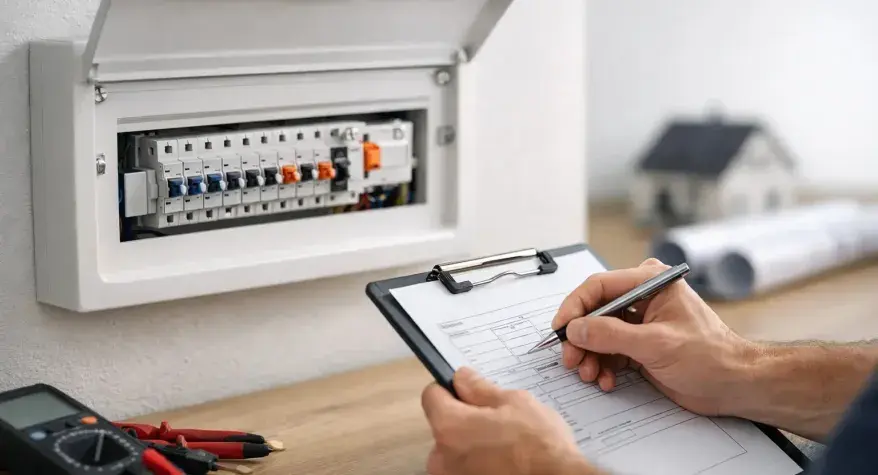
For homeowners, landlords and local businesses, that paperwork is not a small extra. It is part of proving the installation is safe and that the upgrade has been completed in line with current requirements. If you ever sell, let, insure or carry out further electrical work at the property, having the right certificate in place can save time, stress and awkward questions later.
What is a consumer unit upgrade certificate?
Strictly speaking, people often use the phrase consumer unit upgrade certificate as a catch-all term for the certification issued after a consumer unit replacement or upgrade. In practice, the exact paperwork can vary depending on the scope of the job.
In most cases, replacing a consumer unit is a significant alteration to the electrical installation. That usually means the electrician should issue an Electrical Installation Certificate, often called an EIC, once the work has been completed, inspected and tested. Because consumer unit replacement is generally notifiable work under Building Regulations, there may also be building compliance notification arranged through the electrician's registration scheme, with a separate confirmation sent afterwards.
So when customers ask for a consumer unit upgrade certificate, what they usually mean is all the correct certification that proves the new board was installed properly and notified where required.
Why the certificate matters
A new consumer unit is designed to improve safety. It may provide better protection through modern devices such as RCDs or RCBOs, clearer labelling and a more reliable arrangement for the circuits in your property. But the board itself is only part of the story.
The real value is in the testing behind it. Before an electrician can certify a consumer unit change, they need to confirm the existing circuits are suitable to be connected to the new unit and that the installation meets the relevant requirements, or identify any limitations and issues that need addressing. The certificate is evidence that those checks have been carried out.
That matters because a consumer unit upgrade can reveal older faults elsewhere in the installation. A new board does not magically fix damaged wiring, poor earthing, borrowed neutrals or previous DIY alterations. Sometimes the upgrade is straightforward. Sometimes extra remedial work is needed before certification can be issued properly. A dependable electrician should explain that clearly before and during the job.
What documents should you receive?
When the work has been done correctly, you should expect more than a verbal "all sorted". For most domestic consumer unit replacements, the paperwork normally includes an Electrical Installation Certificate. This records details of the installation, inspection results and test readings.
You should also expect a schedule of inspections and a schedule of test results as part of that certification. These show what has been checked and the measured results for the circuits.
If the work is notifiable, there should also be Building Regulations compliance notification through a competent person scheme, followed by confirmation for your records. The exact route depends on who carries out the work and how it is registered.
On top of formal certification, a good electrician will also leave the consumer unit properly labelled and explain anything you need to know, such as how to isolate circuits, how RCD or RCBO protection works and what to do if a device trips.
When you might need a consumer unit upgrade certificate
The obvious time is straight after the upgrade itself, but the need often comes up later. Homeowners may be asked for certificates during a sale. Landlords may need records to support ongoing safety management, especially when arranging inspections and electrical installation condition reports. Letting agents often want clear paperwork on file so there is no doubt about what was done and when.
You may also need it when making an insurance query after damage, or when another electrician is asked to carry out additional work and wants to see the history of the installation. If the paperwork has gone missing, that can complicate matters.
It is worth keeping both paper and digital copies somewhere safe. Electrical certificates are easy to forget about until the moment someone asks for them urgently.
What happens before a certificate can be issued?
This is where experience and honesty matter. A proper consumer unit replacement is not just a quick swap at the wall. Before certification, the electrician should assess the existing installation, confirm the earthing and bonding arrangements are adequate, test the circuits and identify whether any faults or non-compliances need to be dealt with.
In some properties around North West London, especially older homes, the wiring may have been altered over time. Extensions, loft conversions, kitchen refits and garden supplies can all add complexity. Sometimes everything is in good order. Sometimes the inspection finds issues that make a same-day upgrade unrealistic or unsafe without remedial work.
That is not a sign of a problem with the electrician. Often it is the opposite. If someone is prepared to replace a consumer unit without proper checks, without discussing limitations, or without giving clear written certification afterwards, that should raise concerns.
Can a consumer unit be upgraded if the wiring is old?
Sometimes yes, sometimes no - it depends on the condition of the existing installation.
Older wiring does not automatically rule out a new consumer unit, but it does need to be assessed properly. If the circuits test satisfactorily and key safety requirements can be met, an upgrade may be possible. If the wiring has significant faults, poor insulation resistance, inadequate earthing, missing bonding or unsafe alterations, those issues may need to be corrected first.
That is why transparent quotations matter. A responsible contractor will explain what is included, what assumptions have been made, and what could affect the final scope once testing begins. No one wants surprises on the day, but electrical work has to be led by what the installation proves during inspection and testing.
How to know the paperwork is genuine and useful
A valid certificate should be complete, legible and specific to your property. It should include the address, date, details of the work, the electrician or contractor's information, and the relevant test results. Blank sections, vague descriptions or missing signatures are warning signs.
It should also match the work carried out. If you have had a full consumer unit replacement, you would expect certification that reflects a significant alteration, not a minor works form that does not fit the job.
If Building Regulations notification applies, make sure you receive that confirmation too. If in doubt, ask the electrician to explain exactly what documents you will receive and when. A professional firm should be comfortable answering that before the work starts.
Choosing the right electrician for a consumer unit upgrade certificate
Price matters, but with consumer unit work, process matters just as much. You want an electrician who turns up when agreed, explains the condition of the installation clearly, provides a written quotation and does not treat certification like an afterthought.
The best approach is to choose a contractor who sees the job as a safety process rather than a box-swap. That means inspecting first, testing properly, discussing any remedial work honestly and issuing the right paperwork promptly. For customers in Dollis Hill, Cricklewood and surrounding parts of North West London, that local accountability matters. If questions come up afterwards, you want to know the firm will answer the phone and stand by the work.
Lighthouse Engineering Ltd works with that in mind - clear communication, reliable attendance and certification handled properly, so customers are not left chasing paperwork after the job is done.
Consumer unit upgrade certificate FAQs
Is the certificate the same as an EICR?
No. An EICR is a condition report on an existing installation. A consumer unit upgrade certificate usually refers to the certification issued after the replacement work itself, most commonly an Electrical Installation Certificate plus any related notification.
How long should I keep it?
Keep it indefinitely. Even if you do not need it now, it can become useful years later when selling, letting or arranging further work.
What if I never received one?
Go back to the contractor first and ask what certification should have been issued. If they are properly registered and the work was completed correctly, they should be able to advise. If paperwork cannot be produced, another electrician may need to inspect the installation, though that is less straightforward than getting the original documents at the time.
A consumer unit upgrade is one of those jobs where the visible result is only half the work. The part you cannot see - the inspection, testing and certification - is what gives the upgrade its real value. Make sure the paperwork is treated as part of the job, not an optional extra.
To enquire about consumer unit upgrades in Dollis Hill, Cricklewood and surrounding parts of North West London get in touch today!