Downlights are a popular choice in kitchens, living rooms and bedrooms.
Why Do Electricians Use Fire-Rated Downlighters?
They look neat, give good light, and suit modern homes. But what many homeowners don’t realise is that cutting holes in a ceiling can seriously affect fire safety if the right fittings aren’t used.
That’s where fire-rated downlighters come in.
What’s the fire risk with standard downlighters?
Most UK homes have ceilings designed to slow the spread of fire — usually providing 30 to 60 minutes of fire resistance. This gives people time to escape and helps stop a fire spreading between floors.
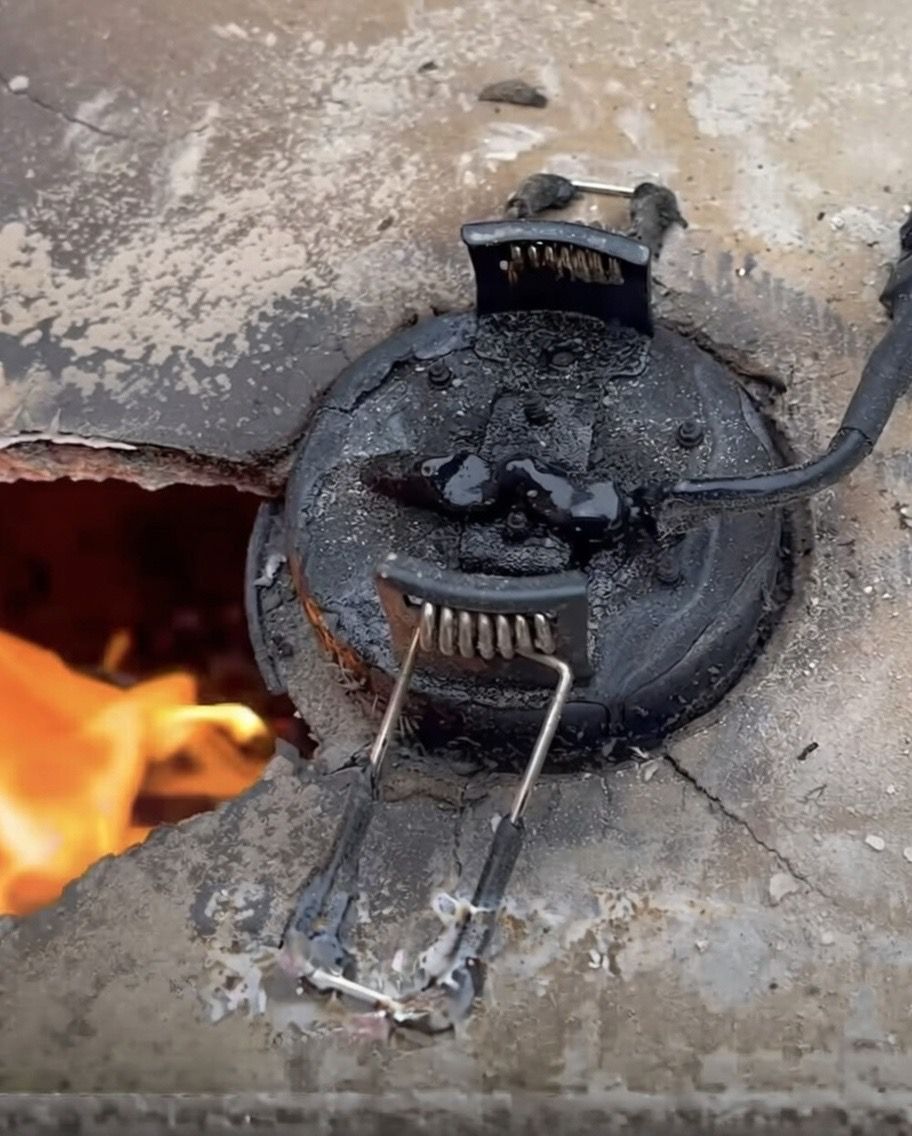
When a hole is cut in that ceiling for a downlight, the fire protection is weakened.
A standard (non-fire-rated) downlight leaves an open gap. In the event of a fire, flames and hot gases can pass straight through the ceiling into the rooms above, allowing the fire to spread much faster.
What does a fire-rated downlighter do?
A fire-rated downlighter is designed to maintain the fire resistance of the ceiling.
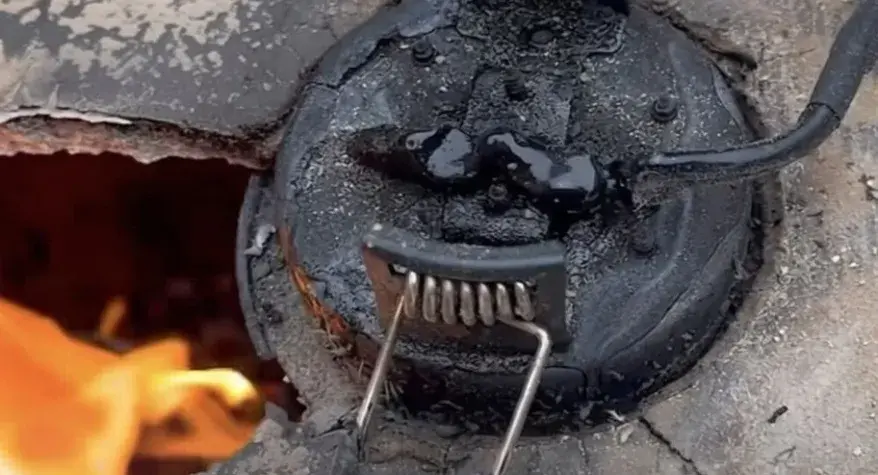
If a fire breaks out, the fitting reacts to heat and seals itself, slowing the spread of fire for the same period as the ceiling — typically 30, 60 or 90 minutes, depending on the rating.
In simple terms:
🔥 Fire below stays below
⏱️ More time to escape
🏠 Less damage to the rest of the house
Are fire-rated downlighters required by law?
In most domestic properties, yes — they are expected.
UK Building Regulations (Part B – Fire Safety) require that ceilings maintain their fire resistance. Using fire-rated downlighters is the recognised way to comply when installing recessed lighting.
If non-fire-rated fittings are used:
- The installation may fail a building control inspection
- It could invalidate home insurance
- It may be flagged in a future EICR or homebuyer’s report
What about LED downlights – aren’t they cooler?
LED downlights do run cooler than old halogen lamps, but they still create heat, and more importantly, the hole in the ceiling is still there.
Fire safety is about fire spread, not just temperature. Even with LEDs, the ceiling’s fire barrier must be protected.
Can fire hoods be used instead?
Fire hoods can be used in some situations, but they:
- Take up more space
- Can cause overheating if poorly ventilated
- Are often unnecessary when modern fire-rated LED downlights are fitted
In most homes, a good quality fire-rated LED downlighter is the safest and simplest option.
Why a proper electrician will always recommend them
A qualified, experienced electrician isn’t just thinking about how the lights look today — they’re thinking about:
- Your family’s safety
- Compliance with regulations
- Insurance and resale issues
- Long-term reliability
Fire-rated downlighters are one of those things you hope you’ll never need — but if you do, you’ll be very glad they’re there.
The bottom line
Fire-rated downlighters:
- Protect the ceiling’s fire resistance
- Slow the spread of fire between floors
- Help keep your home compliant and insurable
- Are now the standard for safe domestic lighting
If you’re upgrading lighting or planning a refurbishment, it’s worth making sure fire-rated fittings are used from the start — it’s a small detail that makes a big difference.